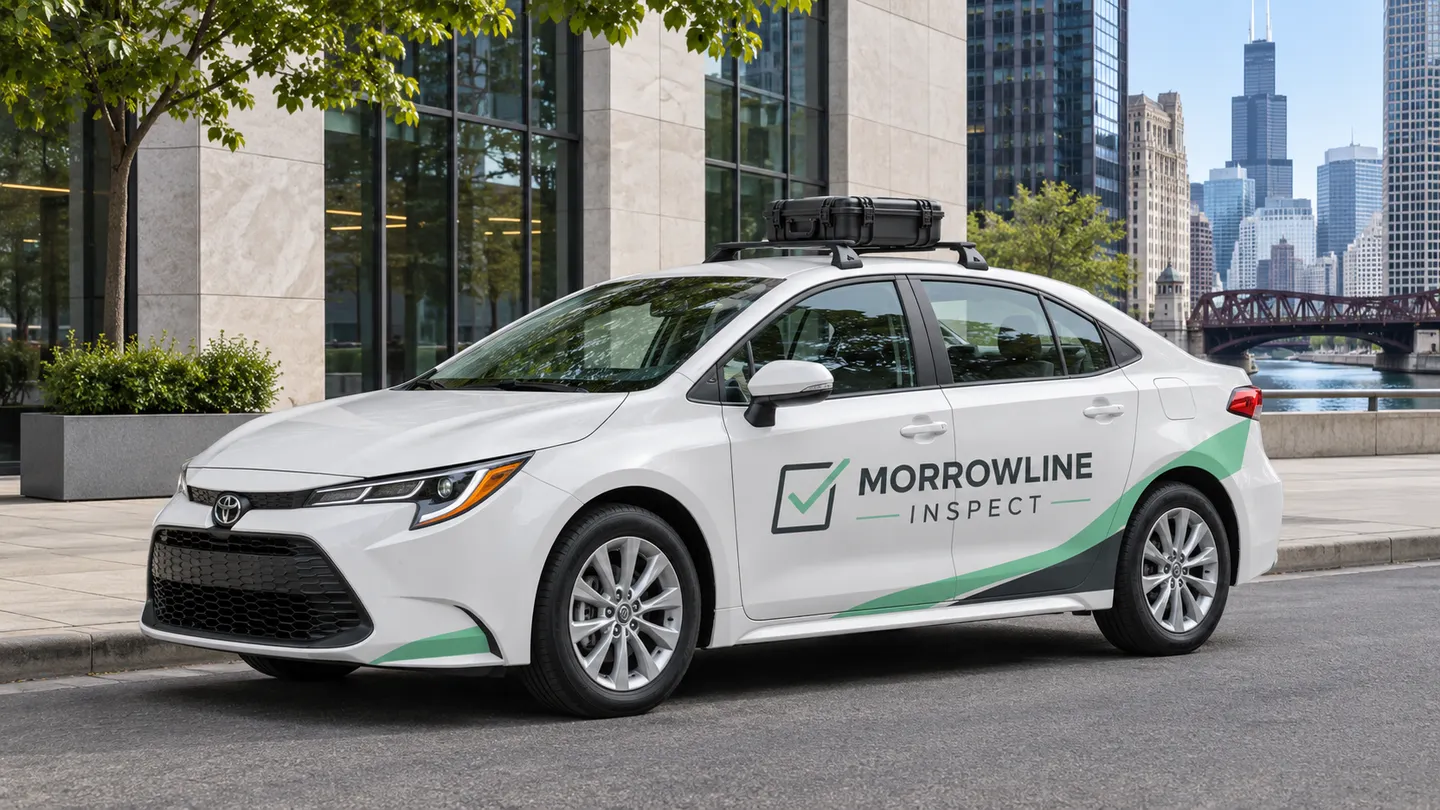
Identify the current logo
Collect the logo files your business owns or has permission to use. Preserve the originals and record who supplied them. A thumbnail, website image and editable logo file may show the same mark while providing very different information to a production designer.
Identify the approved version before discussing size or placement. If you have several old logos, label them as references rather than putting them in one folder without explanation. Tell the supplier when you are unsure which version is current so that decision can be resolved before layout work expands.
- Preserve original files and their names.
- Label obsolete logos as reference only.
- Identify the person who confirms the current identity.
Collect wording and color references
Write the business name, service message and contact details in a simple text record. Check spelling and working destinations. If brand guidelines or approved color references exist, include them; a color sampled from an unknown screen image should not be described as a guaranteed production match.
Ask what the supplier needs to assess fonts, image rights and artwork resolution. Do not convert a small image into a larger file and assume it has gained real detail. A proposed digital concept and approved production artwork serve different purposes and should be labeled accordingly.
- Supply exact wording separately from images.
- Include approved brand guidelines when available.
- Record unresolved color or font questions.
Make the handoff easy to review
Use a file list with a short note explaining what each item is. Identify any usage restrictions and who can grant permission for changes. Send the actual vehicle photos separately so the designer does not confuse a style reference with the body being wrapped.
When a designer returns a proof, record which source files and wording it uses. Keep the final approved revision with the original inventory for later replacements. Product-specific technical documents become relevant when the material construction is proposed; they do not certify the accuracy or ownership of supplied artwork.
- Separate inspiration images from production assets.
- Name the approved proof and its source files.
- Retain the final handoff for future vehicle additions.
Keep a working record
Before you approve the next step
- Collect original logo files.
- Label current and obsolete versions.
- Create a verified wording sheet.
- Include available brand and color guidance.
- Record image and artwork permissions.
- Keep a source-file inventory with the final proof.
Use the free planning tool to organize the details you can confirm and the questions still open.
Four questions before the next step
Is a logo from a social profile always usable?
It can help identify the intended mark, but size, format and available detail need review. Ask the designer whether original artwork or rebuilding work is required.
Read the detailed guide: Gather brand files before the first vehicle design
Should I send inspiration from another company’s wrap?
You can describe features you like as a reference. Make clear that it is inspiration and do not present another business’s design or artwork as something you own.
Read the detailed guide: Gather brand files before the first vehicle design
Do I need to choose a film before contacting a shop?
You can begin with the intended result, vehicle and use. Ask the supplier to propose and explain the appropriate construction rather than guessing from a brand name.
Read the detailed guide: Write a first vehicle brief that a shop can act on
Does completing the launch brief book the job?
No. It prepares the conversation. Vehicle condition, artwork, coverage, pricing and scheduling still need agreement with the supplier.
Read the detailed guide: Write a first vehicle brief that a shop can act on
Original technical sources
Use the linked publisher's current instructions for the exact product and vehicle. This planning guide does not replace its application, safety or warranty requirements.